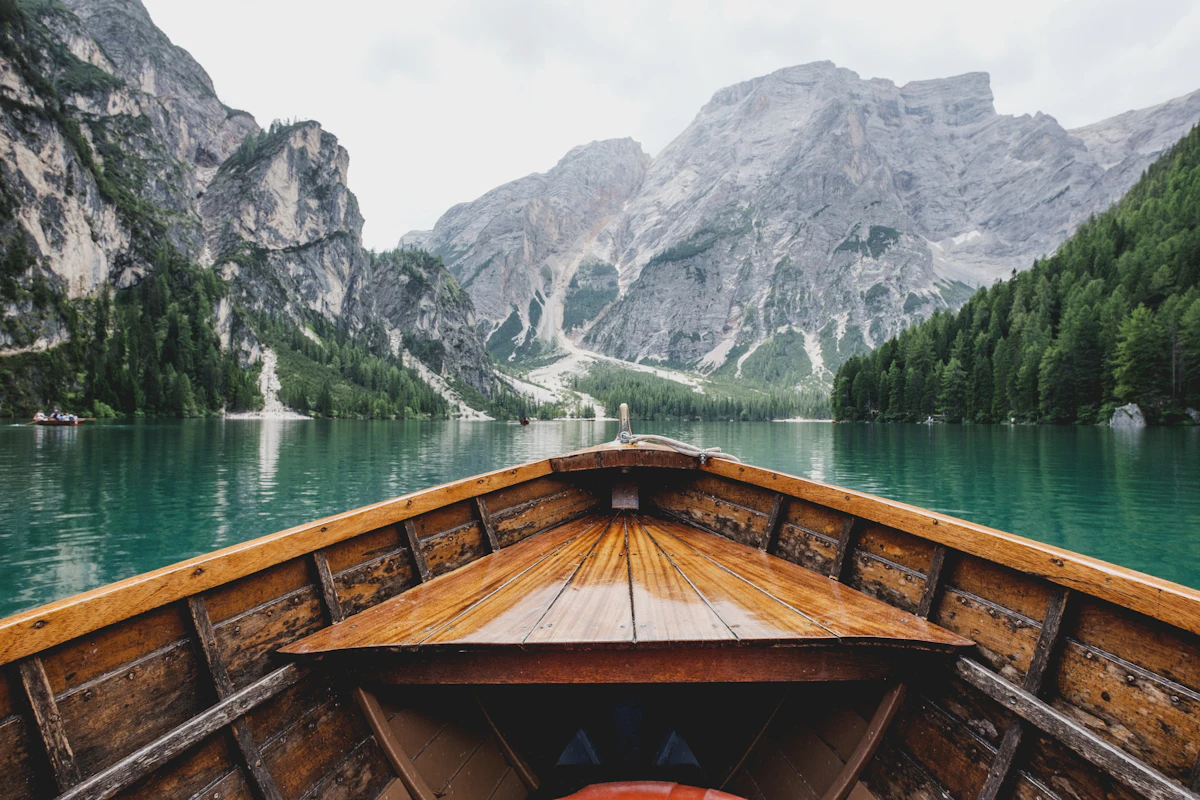
Mountain Sunrise Experience
There's nothing quite like watching the sun illuminate the snow-covered peaks of the Continental Divide. Our sunrise tours depart early to position you at a spectacular viewpoint as dawn breaks over the Rockies.
Tour Schedule
- Check-in: 5:30 AM
- Departure: 6:00 AM
- Sunrise viewing: At ridgeline
- Return: Approximately 10:00 AM
What's Included
- Early coffee and pastries
- Guided ride to viewpoint
- Sunrise watching with hot cocoa
- Full hot breakfast on return
- All gear and equipment
Why Sunrise Tours?
- Spectacular photography opportunities
- Untouched morning powder
- Wildlife often more active
- Beat the afternoon crowds
- Rest of day free for other activities
Photography Tips
- Bring camera with fresh batteries
- Cold affects battery life
- Tripod mounts can freeze
- Keep camera in pocket between shots
- Our guides know the best angles
What to Expect
- Early departure in darkness
- Temperatures can be very cold
- Stunning alpenglow colors
- 360-degree mountain views
Best Months
December through March offer the best sunrise experiences, with January and February providing the coldest but most dramatic lighting conditions.
Related Tours
- Sunset Tours - golden hour riding with alpenglow views
- Night Tours - ride under the stars and moonlight
- Family Tours - morning tours work great for families too
Why sunrise on the Continental Divide is special
The first 20 minutes of sunlight at altitude transform the snowscape in ways that mid-day light cannot match. Alpine glow paints the peaks pink and gold, the air is at its coldest and clearest, and animal tracks from the previous night remain pristine on the trail. Crowds are nonexistent at this hour — you have the trail network essentially to yourself, with the only sounds being your own engine and the wind through the spruce.
Cold and timing
Sunrise tours start before dawn at the staging area, which means a 4:30 or 5:00 AM gear-up depending on the time of year. The first hour of riding is the coldest part of any winter day in Colorado — expect temperatures from -5°F to 15°F at the higher elevations. We provide heated handgrips, layered insulation, and warm coffee at our halfway cabin to make the cold manageable. Most riders find the early start worth the experience, but it’s a real commitment compared to a mid-morning daily tour.
What to Expect
Lodging and dining options in the region span from rustic backcountry cabins to higher-end mountain resorts. Each tier offers distinct advantages, the rustic options put you closer to trailheads and natural quiet, while the resorts provide amenities that work well for groups with mixed energy levels. Our tour planning typically blends both depending on the day's activity profile and the group's preferences.
The local ecosystem here supports diverse wildlife and plant communities that change dramatically with elevation. A two-hour drive from the lowland forest to alpine zone passes through habitat transitions that elsewhere would require traveling hundreds of miles. This compressed diversity is what makes the region particularly compelling for naturalists, photographers, and travelers who want richness within a constrained itinerary.
Mountain tourism in the White Mountains region operates on a different rhythm than coastal or urban tourism. Weather patterns shape what's feasible week to week, and seasoned operators build flexibility into every itinerary to accommodate the realities of elevation, exposure, and rapidly changing conditions. Visitors who appreciate this flexibility tend to have the most memorable experiences.